
DocuMeow
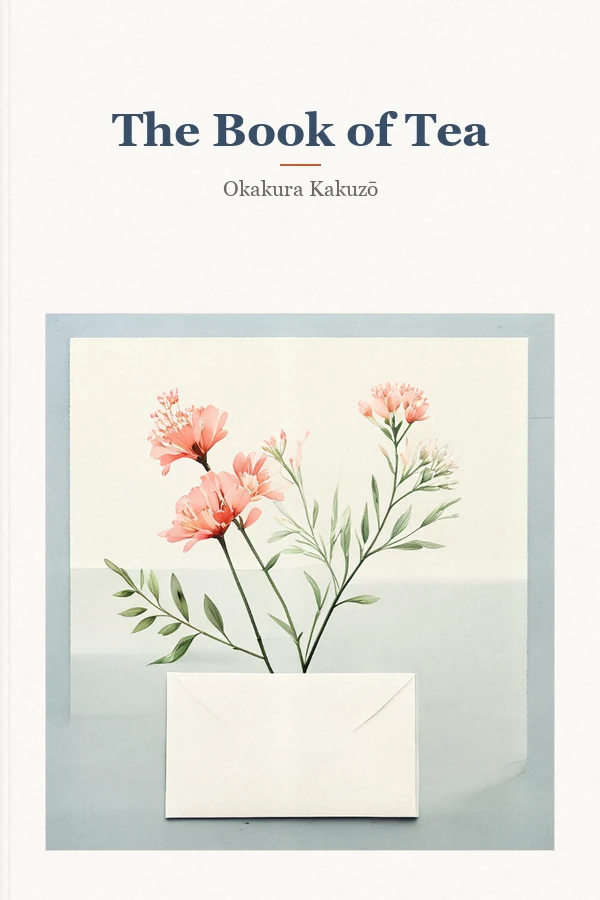
The Book of Tea cover The Book of Tea

The Book of Tea

Okakura Kakuzō

CC0-1.0 EnglishClassics19,120 words2h 3m listenMedium

<p><i>The Book of Tea</i>, one of the great English tea classics, is a long essay about the connection between teaism, Taoism, and the aesthetics of Japanese culture. It was written by <a href="https://standardebooks.org/ebooks/okakura-kakuzo">Okakura Kakuzō</a> in English and was published in the United States in 1906.</p> <p>The essay targets a Western audience and seeks to explain the importance of tea in Japanese culture, not just as a beverage, but as a form of art expressed in different aspects. After a brief introduction of the Western attitude towards tea, Okakura demystifies the admiration of the Japanese people for this green plant by presenting the different schools of tea, its connection to Zen philosophy, and how it has affected the arts. The famous tea ceremony and its rigid formalities are explained, together with the contributions of the great tea-masters.</p> <p><i>The Book of Tea</i> is considered by many to be one of the first books to introduce Eastern culture and philosophy to the Western world. This was possible due to Okakura’s early contact with the English language and Western thought, but also due to his later involvement in the Asian art division of the B


TeaJapan--Social life and customsJapanese tea ceremony

Chapter 1

Tea began as a medicine and grew into a beverage. In China, in the eighth century, it entered the realm of poetry as one of the polite amusements. The fifteenth century saw Japan ennoble it into a religion of aestheticism⁠—Teaism. Teaism is a cult founded on the adoration of the beautiful among the sordid facts of everyday existence. It inculcates purity and harmony, the mystery of mutual charity, the romanticism of the social order. It is essentially a worship of the Imperfect, as it is a tender attempt to accomplish something possible in this impossible thing we know as life.

The Philosophy of Tea is not mere aestheticism in the ordinary acceptance of the term, for it expresses conjointly with ethics and religion our whole point of view about man and nature. It is hygiene, for it enforces cleanliness; it is economics, for it shows comfort in simplicity rather than in the complex and costly; it is moral geometry, inasmuch as it defines our sense of proportion to the universe. It represents the true spirit of Eastern democracy by making all its votaries aristocrats in taste.

The long isolation of Japan from the rest of the world, so conducive to introspection, has been highly favourable to the development of Teaism. Our home and habits, costume and cuisine, porcelain, lacquer, painting⁠—our very literature⁠—all have been subject to its influence. No student of Japanese culture could ever ignore its presence. It has permeated the elegance of noble boudoirs, and entered the abode of the humble. Our peasants have learned to arrange flowers, our meanest labourer to offer his salutation to the rocks and waters. In our common parlance we speak of the man “with no tea” in him, when he is insusceptible to the seriocomic interests of the personal drama. Again we stigmatise the untamed aesthete who, regardless of the mundane tragedy, runs riot in the springtide of emancipated emotions, as one “with too much tea” in him.

Edition & License

License
CC0-1.0
Source
Standard Ebooks
First published
1913
Author death year
1913
Catalog ID
se:okakura-kakuzo_the-book-of-tea

More in English

Browse all →

