DocuMeow
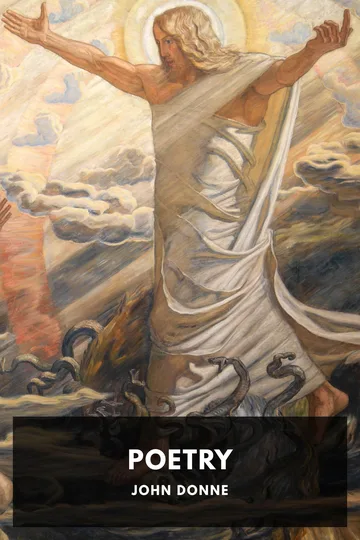
Poetry cover Poetry

Poetry

John Donne

CC0-1.0 EnglishPoetry78,426 words8h 26m listenLong

<p><a href="https://standardebooks.org/ebooks/john-donne">John Donne</a> composed poetry over the span of several decades, from the 1590s through the early years of the seventeenth century, during a period of profound religious, political, and cultural change in England. Unlike many of his contemporaries, Donne didn’t publish any collections of poetry during his lifetime. Instead, his poems circulated privately in handwritten manuscripts among friends, patrons, and members of the educated elite, acquiring a wide readership long before they appeared in print. The first collected edition was published posthumously in 1633, two years after Donne’s death, and was followed by numerous expanded editions that included additional poems discovered in manuscript. This collection brings together all of Donne’s diverse body of work, from his youthful satires, elegies, and love lyrics, to his later religious verses and Holy Sonnets, illustrating the remarkable range and enduring influence of one of the greatest poets of the English Renaissance.</p> <p>John Donne’s most popular poems include “The Flea,” “A Valediction Forbidding Mourning,” “The Sun Rising,” “The Canonization,” and “Holy Sonnet X

English poetry--Early modern, 1500-1700

Chapter 1

Wherein, by occasion of the untimely death of Mistress Elizabeth Drury, the frailty and the decay of this whole world is represented.

Well died the world, that we might live to see This world of wit, in his Anatomy. No evil wants his good; so wilder heirs Bedew their fathers’ tombs with forcèd tears, Whose state requites their loss; whiles thus we gain Well may we walk in blacks, but not complain. Yet how can I consent the world is dead, While this Muse lives, which in his spirit’s stead Seems to inform a world, and bids it be, In spite of loss or frail mortality? And thou, the subject of this wellborn thought, Thrice noble maid, could’st not have found nor sought A fitter time to yield to thy sad fate, Than whiles this spirit lives, that can relate Thy worth so well to our last nephews’ eyne, That they shall wonder both at his and thine. Admired match! where strives in mutual grace The cunning pencil, and the comely face; A task which thy fair goodness made too much For the bold pride of vulgar pens to touch. Enough is us to praise them that praise thee, And say, that but enough those praises be, Which, hadst thou lived, had hid their fearful head From th’ angry checkings of thy modest red. Death bars reward and shame; when envy’s gone, And gain, ’tis safe to give the dead their own. As then the wise Egyptians wont to lay More on their tombs than houses; these of clay, But those of brass or marble were; so we Give more unto thy ghost than unto thee. Yet what we give to thee, thou gavest to us, And may’st but thank thyself for being thus. Yet what thou gavest and wert, O happy maid, Thy grace profess’d all due, where ’tis repaid. So these high songs, that to thee suited bin, Serve but to sound thy Maker’s praise in thine, Which thy dear soul as sweetly sings to him Amid the choir of saints, and Seraphim, As any angel’s tongue can sing of thee. The subjects differ, though the skill agree. For as by infant years men judge of age, Thy early love, thy virtues, did presage What high part thou bear’st in those best of songs, Whereto no burden nor no end belongs. Sing on, thou virgin soul, whose lossful gain Thy lovesick parents have bewail’d in vain; Ne’er may thy name be in our songs forgot, Till we shall sing thy ditty and thy note.

Edition & License

License
CC0-1.0
Source
Standard Ebooks
First published
1631
Author death year
1631
Catalog ID
se:john-donne_poetry

More in English

Browse all →